01
Origin pickup
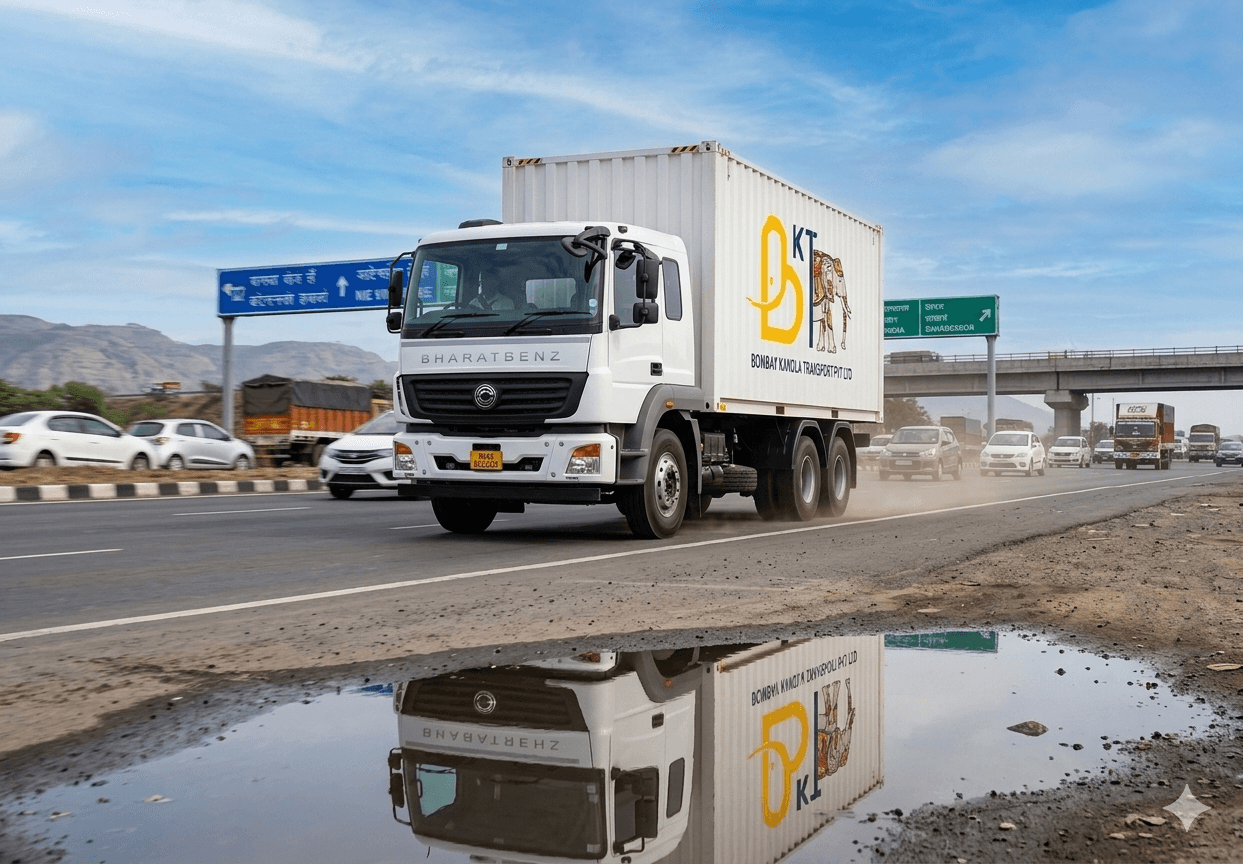
Vehicles dispatched to the plant, port or warehouse on a confirmed slot. The same branch team that priced the lane runs the pickup.
Solutions / Integrated Supply Chain
End-to-end coordination across road movement, branch handling, last-mile distribution and reverse logistics — for shippers who need a single accountable partner across every leg of the chain.
Integrated supply chain
Most enterprise shippers run their freight through three or four separate vendors — one for primary movement, one for warehousing, one for last-mile, sometimes another for reverse logistics. Every handoff is a place where accountability fades, documentation slips and the shipper’s team ends up patching exceptions across multiple portals. BKT’s integrated supply chain product collapses that into a single operating relationship.
The model uses our branch network as the chain’s connective tissue. The same team that picks up at origin runs the cross-dock at the regional hub, hands off to long-haul, then operates the last-mile delivery into urban and semi-urban consignees. When stock needs to flow back up the chain — empties, rejections, reverse-flow inventory — it rides the same network with the same documentation discipline.
What customers buy is end-to-end visibility and a single accountable owner: one contract, one billing relationship, one set of KPIs that span every leg of the journey. No more triangulating between vendor portals to find out where a consignment is, and no more arguing about whose fault a missed window was.
How a load moves through us
A typical enterprise consignment passes through four to five distinct stages between the plant gate and the final consignee. With BKT, every stage is operated by the same network — and reverse flow rides the same rails as forward freight.
Vehicles dispatched to the plant, port or warehouse on a confirmed slot. The same branch team that priced the lane runs the pickup.
Consolidation at branch hubs along the corridor — sorted by lane, prepped for line-haul, with consignment-level scanning at every break.
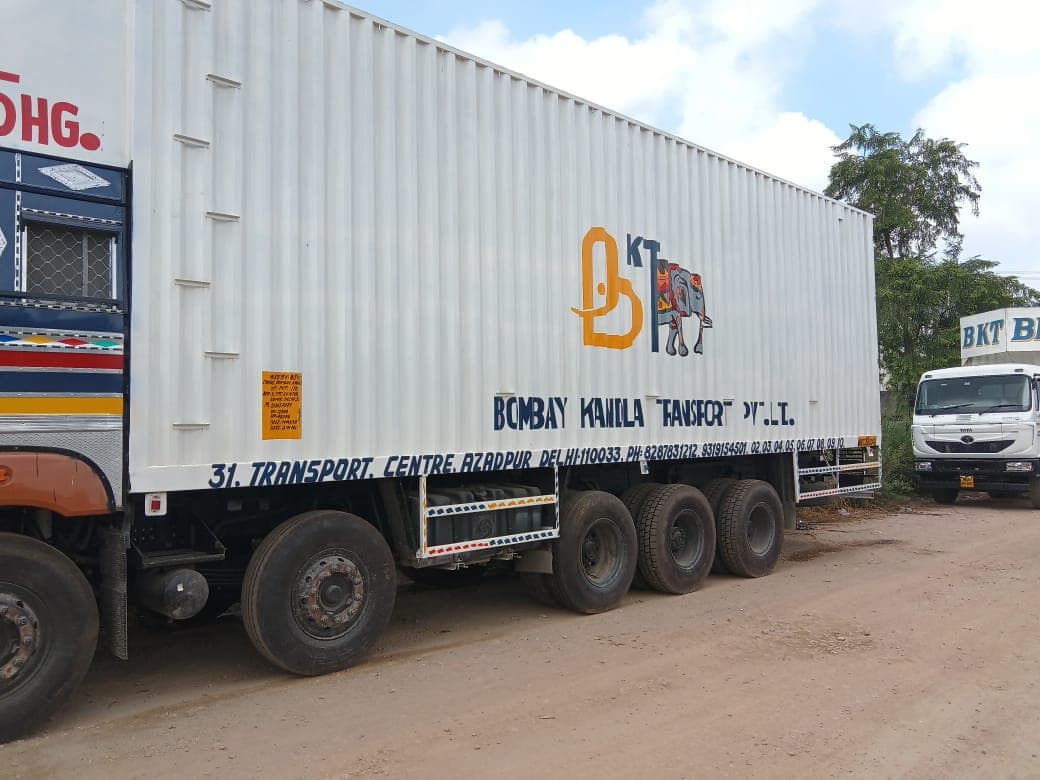
Multi-axle vehicles cover the long-distance leg between origin and destination regions on national-permit corridors, with vehicle tracking through the run.
Right-sized vehicles distribute into urban and semi-urban consignees. Branch teams handle receipt, condition check and signed POD at the door.
Empties, rejected SKUs and reverse-flow inventory routed back through the same network, on the same documentation discipline as forward freight.
Stages 01 to 04 describe forward freight; stage 05 is the reverse leg that runs in the opposite direction across the same chain — the piece most spot-freight vendors won’t take responsibility for.
Capabilities
The operating commitments that come standard with an integrated supply chain engagement at BKT. Anything beyond is negotiated; nothing on this list is.
One contract, one billing relationship, one named account owner from the plant gate to the consignee's POD — across every leg in between.
Hubs along your corridors run by the same teams that handle pickup and delivery, so handoffs don't slip in transit and consignments stay traceable break-by-break.
Distribution into Tier 2 and Tier 3 cities and surrounding belts, where most pure-play long-haul vendors hand the load off to a local sub-contractor and walk away.
Returning crates, rejected SKUs and reverse-flow inventory routed back through the network with the same documentation discipline as the forward leg.
Vehicle tracking, branch-level consignment scans and digital documentation give shippers the entire chain in one view, not five vendor portals.
Who this suits
Integrated supply chain is a fit when the cost of coordinating freight has become as expensive as the freight itself — when your team spends as much time chasing PODs and patching handoffs as it does negotiating rates. The fit signals below are the patterns we see most often in the engagements that work well.
Sectors served
Multi-stage freight network with handoffs across plants, hubs and last mile
Visibility gap between primary movement and last-mile distribution today
Reverse logistics volume that current vendors won't or can't handle properly
Small-format urban distribution that lives outside your existing FTL contracts
Sectoral compliance that requires a single accountable partner across the chain
Map your chain
Share where the handoffs are breaking — primary movement to last-mile, reverse flow, urban distribution, visibility gaps. Our supply chain team will respond with a discovery brief and a working session, usually within two working days.